Activities & Games
The landscape of childhood activities has never been more complex. Parents today navigate an overwhelming array of choices: organized sports, enrichment programs, educational apps, outdoor adventures, and quiet downtime. Yet beneath this abundance lies a fundamental question that shapes child development and family wellbeing: which activities truly matter, and how do we create the breathing room for what counts?
This intersection of play, learning, and family connection forms the foundation of healthy childhood development. From the messy joy of sensory exploration to the structured challenge of team sports, from quiet library afternoons to wild outdoor adventures, each type of activity serves a distinct developmental purpose. Understanding these purposes—and how to balance them without overwhelming your family schedule—transforms activities from a source of stress into genuine opportunities for growth and connection.
Why Unstructured Play Matters More Than You Think
When children spread blocks across the floor with no apparent plan, stack cushions into precarious towers, or spend an hour arranging toy animals in elaborate scenarios, their brains are doing something remarkable. Open-ended play activates neural pathways that structured activities simply cannot reach, building executive function, creative problem-solving, and emotional regulation simultaneously.
The brain science is compelling: during self-directed play, children’s prefrontal cortex—the region responsible for planning, decision-making, and impulse control—shows activation patterns similar to those seen in adult creative professionals during breakthrough moments. Unlike following instructions in a structured activity, open-ended play requires children to generate their own questions, devise their own rules, and navigate their own failures.
Creating space for this type of play means resisting the urge to over-schedule playdates or fill every moment with directed activity. The environment matters enormously. Rather than rooms filled with single-purpose plastic toys that dictate exactly how they should be used, consider these materials that spark imagination:
- Loose parts: cardboard boxes, fabric scraps, wooden blocks, natural materials like pinecones and shells
- Open resources that transform: scarves become capes, rivers, or walls; cushions become mountains or boats
- Simple tools that extend capability: tape, string, child-safe scissors, markers
- Space and time without adult intervention or agenda
The goal isn’t abandonment—it’s autonomy within boundaries. Set up the environment for safety and possibility, then step back and resist the urge to direct, correct, or optimize their play.
Sensory Exploration: Building Brains Through Messy Play
Few things make parents more anxious than watching their toddler plunge both hands into a bowl of cooked pasta, squeeze paint between fingers, or dig enthusiastically in mud. Yet this hands-on, often chaotic experimentation serves a critical neurological function: sensory integration, the brain’s ability to process and organize information from multiple senses simultaneously.
Every time a child explores different textures, temperatures, and consistencies, they’re building neural connections that support everything from fine motor control to emotional regulation. The child who can’t tolerate sticky hands may struggle with clothing textures, food variety, or unexpected physical sensations later. Early, repeated sensory exposure builds tolerance and flexibility.
Choosing Wet Versus Dry Activities
Both categories offer distinct benefits. Dry sensory play—rice bins, kinetic sand, dried pasta—provides tactile input with easier cleanup and works well for children still building sensory tolerance. Wet activities like water tables, finger painting, or mud play add temperature variation and require more complex motor planning as materials drip, flow, and resist control.
For babies and young toddlers, safety dictates material choice: large dried beans or pasta under supervision, water play in shallow containers, edible options like cooked oatmeal or yogurt for inevitable taste-testing. As children develop, complexity can increase—adding tools like scoops, funnels, and measuring cups that introduce early math concepts alongside sensory input.
Making Cleanup Part of the Learning
Rather than viewing cleanup as the unfortunate aftermath of sensory play, frame it as an integral part of the activity itself. Wiping tables, sweeping rice, or rinsing paint from hands all provide additional proprioceptive input while building responsibility and sequencing skills. The activity isn’t finished until the space is restored—a valuable life lesson embedded in play.
Puzzles and Self-Correcting Learning Tools
Unlike many modern toys that light up or make sounds regardless of whether a child uses them correctly, traditional puzzles and Montessori-inspired materials offer something increasingly rare: immediate, non-judgmental feedback. The puzzle piece either fits or it doesn’t. The tower either balances or it falls. This self-correction builds cognitive structuring and persistence without adult praise or intervention.
The developmental sequence matters. A toddler ready for simple shape sorters isn’t ready for fifty-piece jigsaw puzzles, just as a preschooler who has mastered basic puzzles may be ready for more complex spatial challenges. Watch for signs of mastery—completing puzzles quickly, showing minimal frustration, choosing the activity independently and repeatedly. These indicate readiness to increase difficulty.
Storage and presentation affect engagement dramatically. Puzzles mixed together in a single bin create frustration and abandonment. Stored separately, displayed accessibly, and rotated regularly, they become tools children choose independently, building both cognitive skills and decision-making capacity.
Selecting Toys Built to Last
In a marketplace flooded with inexpensive plastic toys designed for obsolescence, choosing durable, tactile materials represents both an environmental and developmental choice. Wooden toys, metal vehicles, and natural materials offer weight, texture, and sensory feedback that lightweight plastic cannot match. They also withstand years of use, multiple children, and often retain resale value.
Safety standards provide essential baselines—look for certifications appropriate to your region and avoid small parts for children under three. Beyond safety, consider longevity: can this toy serve multiple developmental stages? A simple wooden block set supports infant stacking, toddler building, preschool imaginative play, and elementary engineering challenges. That versatility justifies higher initial cost.
Maintenance extends toy life considerably. Teaching children to help oil wooden toys, tighten loose screws, or repair broken parts transforms consumption into stewardship while building practical skills and respect for materials.
Family Time: Moving Beyond Perfect Moments
Social media has created relentless pressure to curate picture-perfect family experiences—elaborately planned outings, beautifully documented adventures, constant togetherness radiating joy. This fantasy does real harm, creating anxiety around family time and obscuring a fundamental truth: connection happens in ordinary moments, not manufactured ones.
Meaningful family experiences don’t require elaborate planning or significant expense. Weekend mornings making pancakes together, evening walks around the neighborhood, card games at the kitchen table, or simply being present while children play nearby—these repeated, low-key interactions build security and relationship far more effectively than occasional grand gestures.
The home-versus-outing debate often creates unnecessary pressure. Both serve different purposes. Staying home allows deeper relaxation and genuine downtime. Outings provide novelty and shared experience. The key isn’t choosing one approach but maintaining flexibility and tuning into your family’s actual needs rather than external expectations.
Mid-Week Breaks and Energy Management
The rhythm of the week matters enormously, particularly for school-age children juggling academic demands and activities. Mid-week pauses—even just one afternoon of reduced demands—provide cognitive benefits that improve learning, reduce stress, and prevent the slow-building fatigue that leads to weekend meltdowns.
This doesn’t mean passive screen consumption, though moderate screen time certainly has its place. Effective mid-week breaks combine genuine rest (quiet reading, listening to music, unstructured outdoor time) with low-demand play and perhaps one chosen activity the child genuinely enjoys rather than one that serves adult goals.
Libraries: Your Overlooked Community Resource
Many families still view libraries primarily as quiet places to borrow books, missing their transformation into vibrant community hubs offering educational programs, social connection, and enrichment activities at no cost. Story times, maker spaces, teen programs, homework help, museum passes, and special events provide structured learning opportunities without the financial barriers of many enrichment programs.
Establishing a regular library rhythm—whether weekly story time for toddlers or bi-weekly browsing sessions for older children—builds literacy habits while creating predictable family routine. The borrowing system itself teaches responsibility, time management, and resource sharing when children learn to track due dates and care for shared materials.
Beyond books, many libraries now offer digital resources, educational databases, and streaming services, plus increasingly diverse format options—audiobooks, graphic novels, magazines—that engage reluctant readers or support different learning styles.
Managing the Activity Schedule Without Overwhelm
The signs of an overscheduled child appear gradually: increased resistance to activities they once enjoyed, difficulty winding down at bedtime, frequent illness, emotional volatility, or constant complaints of being tired. Yet many families struggle to pull back, fearing their child will fall behind or miss opportunities.
The research on this is clear: children benefit most from deep engagement in one or two activities rather than superficial participation in many. Quality trumps quantity. An introverted child who dreads team sports but loves solitary swimming gets far more from that single well-matched activity than from a packed schedule of group classes chosen to build social skills.
Knowing when to let a child quit requires discernment. Temporary difficulty or frustration differs from genuine mismatch or burnout. Consider these questions:
- Does resistance appear at specific moments (before competitions) or pervade all aspects of the activity?
- Can the child articulate what they dislike, or is it vague reluctance?
- Have you observed moments of genuine engagement and joy, or has it always felt forced?
- Does the activity align with the child’s temperament and interests, or with parent hopes?
Sometimes quitting represents valuable self-knowledge rather than failure. Sometimes persistence builds resilience. The difference lies in honest assessment of fit and purpose.
Outdoor Play and Nature Connection
Contemporary childhood increasingly occurs indoors—a shift with documented consequences. Nature deficit correlates with increased anxiety, attention difficulties, and reduced physical literacy. Regular outdoor time, particularly in natural rather than purely constructed environments, supports physical health, risk assessment, emotional regulation, and environmental connection.
Gear should enable rather than restrict movement. Clothes children can get dirty, shoes suitable for climbing, weather-appropriate layers that allow running, jumping, and exploring matter more than specialized outdoor equipment. The goal is removing barriers to engagement with the physical world.
The structured-versus-free debate appears here too. Organized outdoor sports provide skill instruction and social structure. Free outdoor play—wandering, climbing, building forts, observing insects—develops different capacities: creative problem-solving, risk assessment, sustained attention, and intrinsic motivation. Both have value; neither should completely crowd out the other.
Youth Sports: Development Beyond the Field
While physical skills and fitness represent obvious benefits of sports participation, the deeper value lies in what happens between the drills and games. Team sports create a social laboratory where children practice collaboration, navigate conflict, experience both success and failure in relatively low-stakes environments, and learn that their role matters even when it isn’t glamorous.
Celebrating the assist over the goal, recognizing the defensive play that prevented a score, acknowledging the teammate who encourages others—these coaching and parenting choices shape whether sports build character or merely ego. Children who learn to value their contribution to collective success rather than only individual achievement develop more resilient self-worth.
Navigating Competition, Coaching, and Conflict
Not all sports environments serve development equally. The right level of competition challenges without crushing; coaching should instruct and motivate without humiliation or favoritism; teammates should push each other toward improvement rather than undermine confidence. When these elements misalign—unfair coaching, unhealthy team culture, competition that overwhelms—parents face difficult choices about staying or leaving.
Teaching children to handle teammate conflict builds essential skills, but expecting them to manage coaching problems alone is unreasonable. Adult intervention becomes necessary when coaching crosses into harmful territory: playing favorites based on parent involvement, yelling that shames rather than instructs, or pressure that ignores injury or exhaustion.
The Logistics and Long-Term Commitment
Youth sports demand significant family resources: time for practices and games, travel to tournaments, equipment costs, emotional energy for both triumph and disappointment. Before committing, particularly to competitive programs, families should honestly assess their capacity for the long haul. Starting and stopping creates its own challenges.
Balancing sports with academics requires proactive planning, particularly as children age and both demands intensify. Regular check-ins about stress levels, sleep quality, academic performance, and genuine continued interest help identify problems before they become crises. Watch for burnout signs: persistent fatigue, decreased performance despite effort, loss of enjoyment, or increasing injuries.
Activities and games in childhood serve purposes far beyond entertainment or skill acquisition. They build brains, strengthen relationships, teach resilience, and create the foundation for lifelong learning and wellbeing. The key lies not in doing more, but in choosing wisely, staying attuned to your individual child’s needs and temperament, and protecting space for the unstructured, ordinary moments where real growth happens. When we release the pressure for perfection and focus instead on presence, play, and genuine connection, activities return to their proper role: tools for development rather than sources of stress.

How to Manage the Cost of Club Sports Without Going Broke?
The key to affording youth sports isn’t just cutting costs, but shifting your mindset from a stressed spender to a…
Read more
A Psychologist’s Guide: How to Reform a ‘Ball Hog’ and Build a Team Player
The common approach to fixing a “ball hog” is to punish their selfishness. This rarely works. Lasting change comes not…
Read more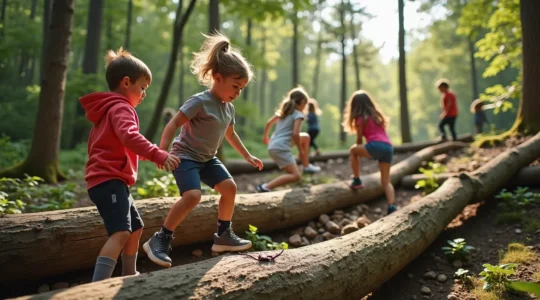
From Screen-Stuck to Trail-Ready: How to Build Real-World Agility in Your Child
Contrary to popular belief, the key to making kids more agile isn’t just restricting screen time, but by upgrading their…
Read more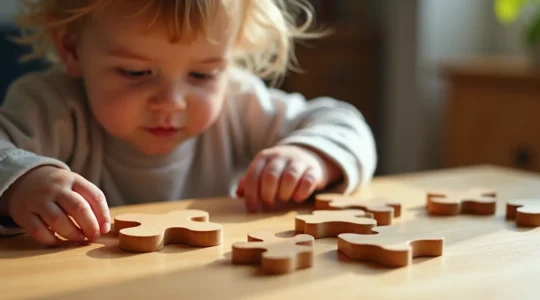
More Than Wood: Why Puzzles With Tactile Feedback Are an Essential Investment
The belief that wooden puzzles are merely a durable, eco-friendly alternative to plastic misses their most profound benefit. Their true…
Read more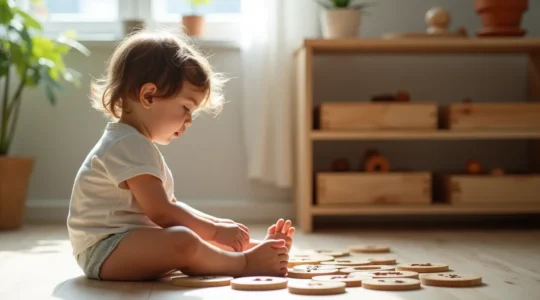
How to Present Montessori Puzzles to Maximize Concentration?
The secret to unlocking a child’s concentration isn’t buying more complex puzzles, but mastering the art of their presentation. “Control…
Read more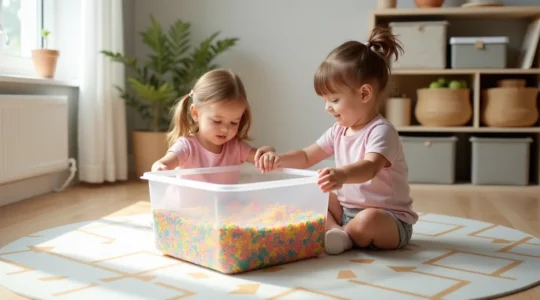
How to Set Up Sensory Bins Without Ruining Your Floors?
The fear of a monumental mess stops many parents from using sensory bins, but the key isn’t avoiding mess—it’s engineering…
Read more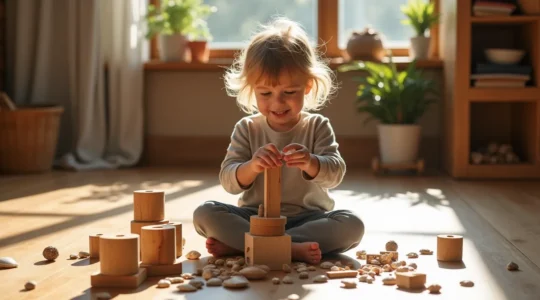
How to Facilitate Creative Play Without Directing the Narrative?
The key to unlocking your child’s creativity isn’t more guidance, but a radical shift in your role from a controlling…
Read more
How to Choose Extracurricular Activities That Fit Your Child’s Personality?
The key to successful extracurriculars isn’t finding what your child is good at, but finding an activity whose structure matches…
Read more
How to Turn School-Free Wednesdays into a Superpower for Rest and Growth
That familiar Wednesday morning pressure to fill the day with activities often leads to over-scheduling and burnout. The real solution…
Read more
How to Maximize Your Library Membership Beyond Just Borrowing Books
In summary: Transform your library from a book lender into your family’s “mission control” for social, cultural, and educational activities….
Read more